
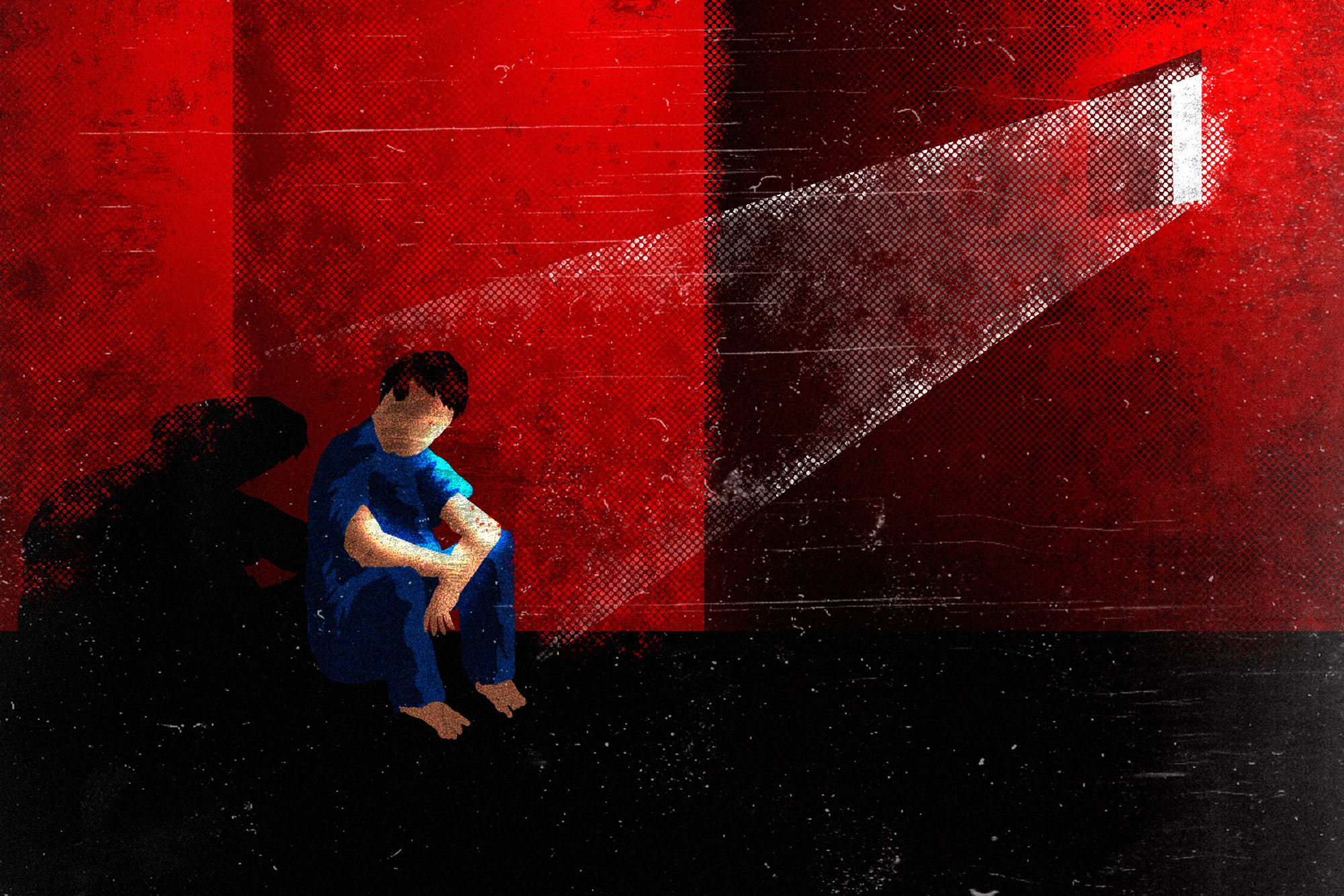
Total isolation and starvation to drive them to the brink of insanity. This is the regime imposed by the Ortega-Murillo prison system on more than 30 political prisoners. It is a tactic known as “soft torture”, a form of psychological abuse that inflicts profound harm without physical violence. In this special collaboration by Divergentes and Huellas de Impunidad, leading experts explain this method and expose the deteriorating condition of the political prisoners held by the Ortega-Murillo dictatorship.
By María Lilly Delgado and Tifani Roberts
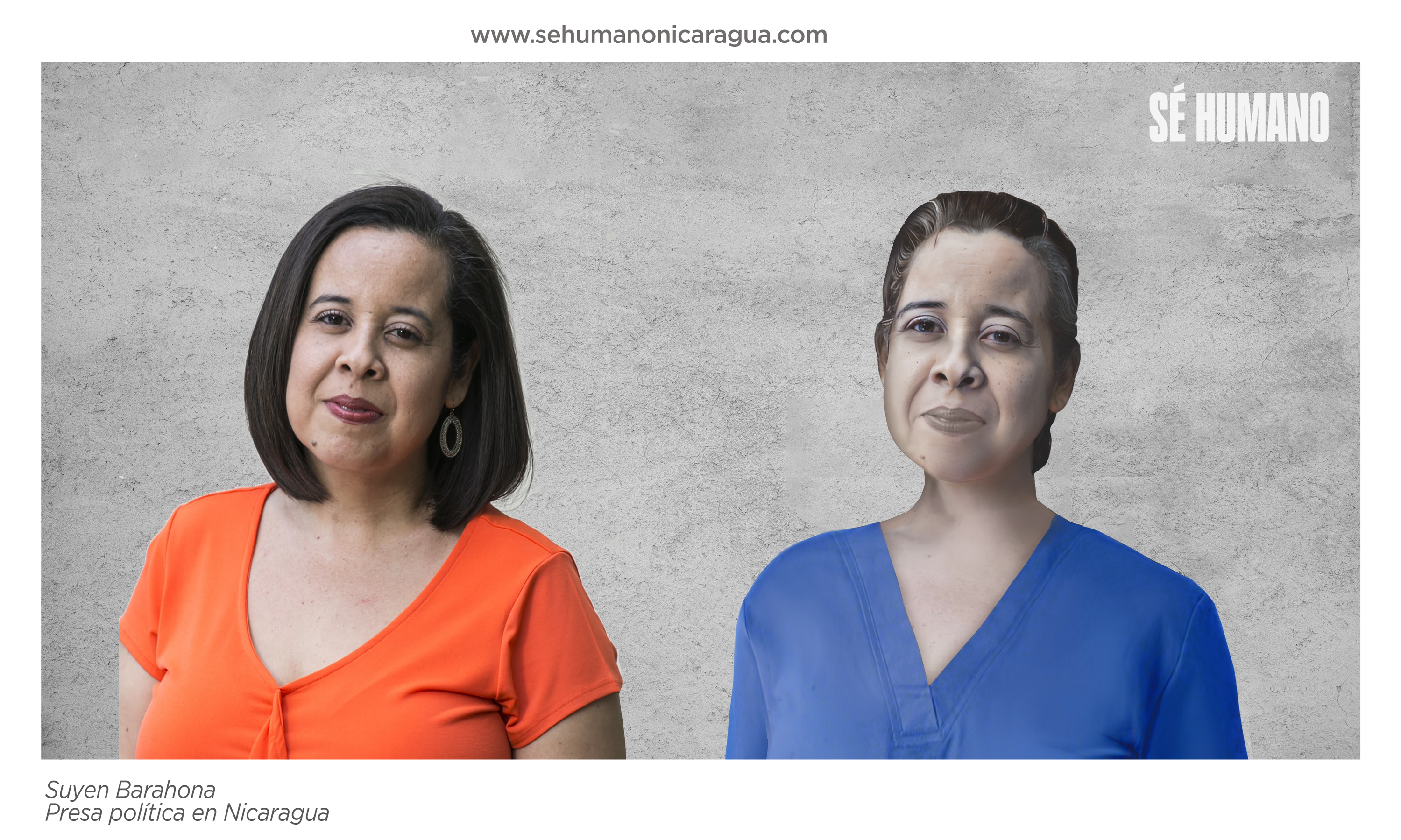
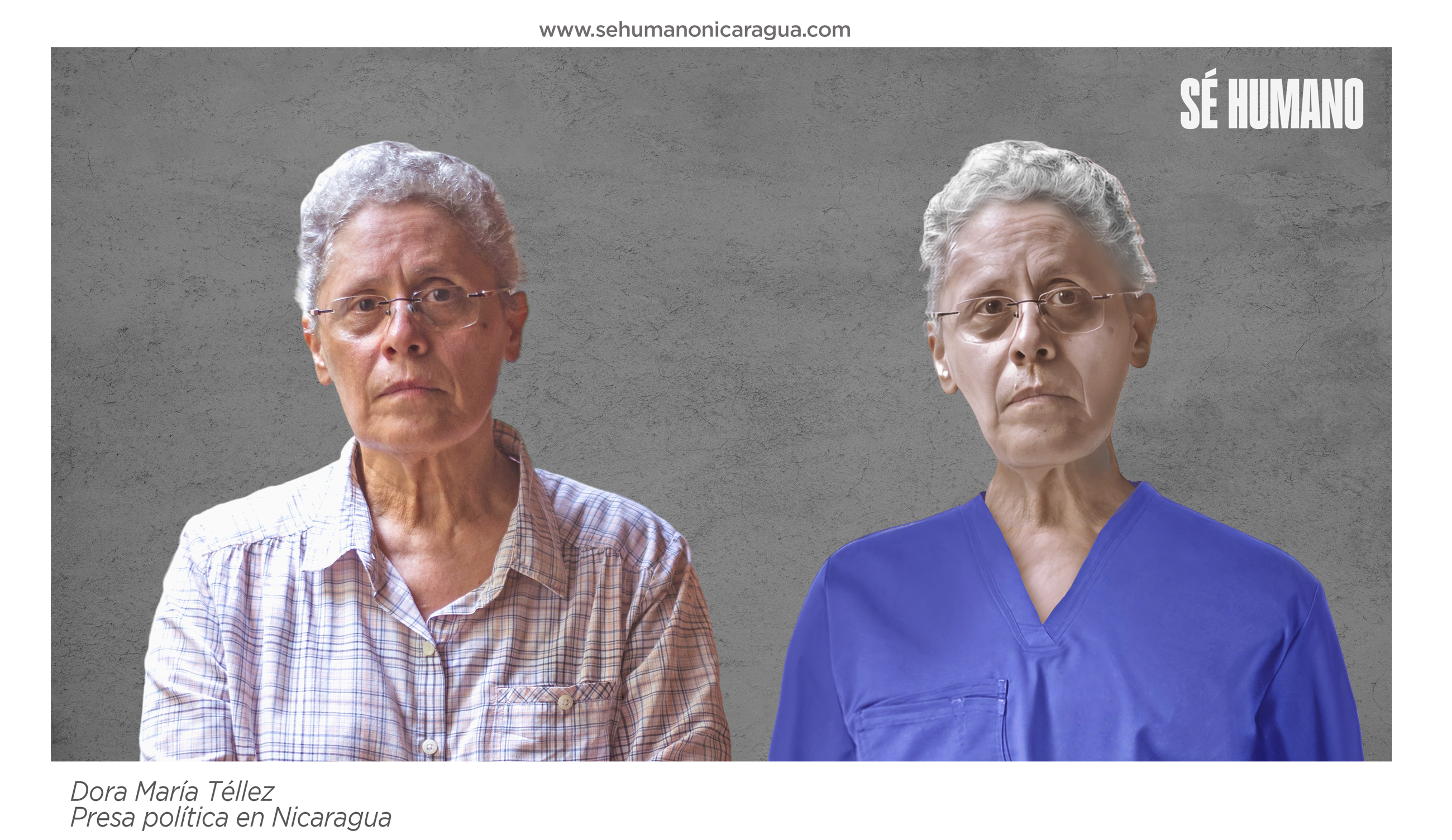
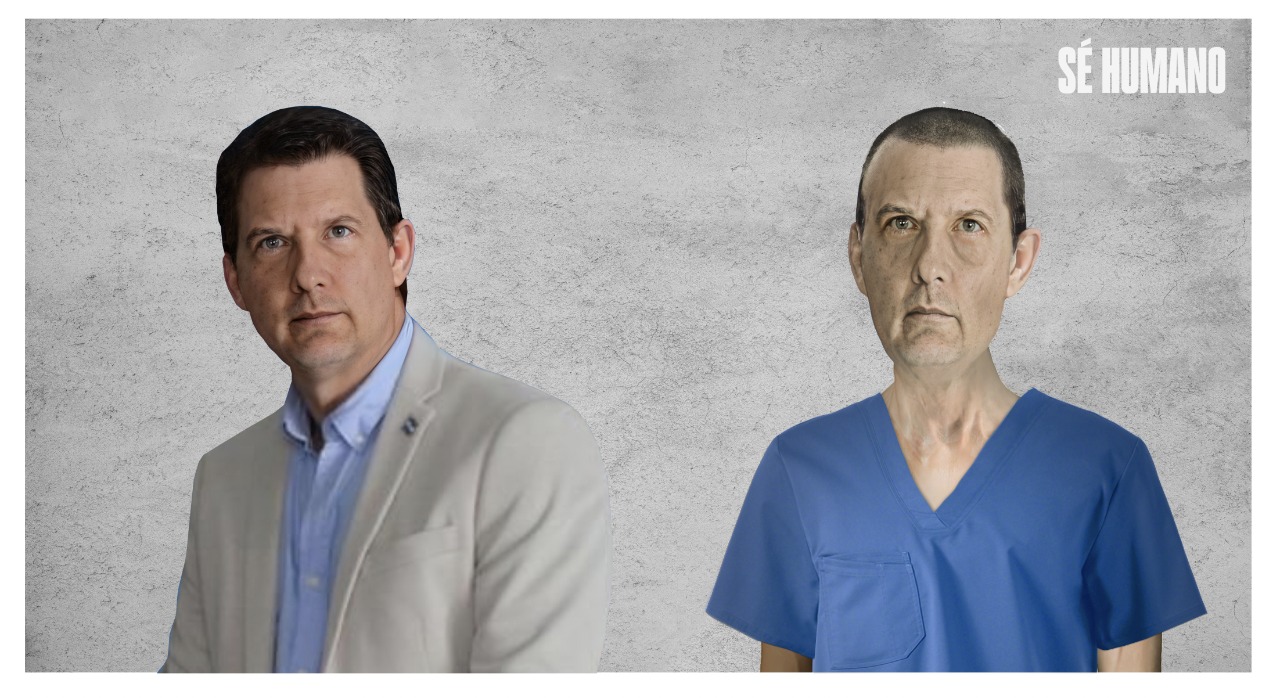
Community leader Medardo Mairena sometimes feels like he is suffocating. The punishment cell in which he has been held for a year and two months has poor air circulation. The guards at El Chipote prison, formally known as the Judicial Assistance Center (DAJ), constantly interrogate the political prisoner, with a frequency that increases their feeling of suffocation. In other punishment cells, the women are isolated and with only minimal human contact, Tamara Dávila, Suyen Barahona, Ana Margarita Vijil, and former guerrilla fighter Dora María Téllez sleep without blankets on a cold concrete surface.. These are cells without light, where the passage of time is blurred for other inmates such as the two presidential candidates Juan Sebastián Chamorro and Félix Maradiaga.
Attorney Jared Genser, who represents Chamorro and Maradiaga, says that the treatment of political prisoners in Nicaragua is “one of the worst” he has seen in his 20-year career as an international human rights defender. While Edgar Stuardo Ralón, Rapporteur on the Rights of Persons Deprived of Liberty and for the Prevention and Combat of Torture of the Inter-American Commission on Human Rights (IACHR), uses a term that until now has not been mentioned in this Central American country, where the dictatorship of Daniel Ortega and Rosario Murillo have more than 180 political prisoners: «Soft torture», he says.
“The term is used when there are (imprisonment) regimes of extreme isolation,” says Stuardo Ralón. The aim is for the (imprisoned) person to be affected in their mental health, even to the point of losing their own identity,» adds Ralón. It is a relatively modern method of torture, already used by countries such as the former German Democratic Republic (GDR)known as East Germany, Iran, the United States, Venezuela, and Cuba, among others, according to human rights organizations.
In Nicaragua, Margin Pozo, wife of political prisoner and sportscarter Miguel Mendoza, says that the “psychological torture” they are subjected to is “inhumane.” This torture extends to their families: The political prisoner’s daughter has not been able to see her father in more than 400 days.




The IACHR Rapporteur and constitutional lawyer of Guatemalan origin, has not been able to visit the Nicaraguan prisons due to the refusal of the Ortega-Murillo regime to allow national and international human rights organizations to observe and monitor the situation of political prisoners in situ . However, the Rapporteurship collects, systematizes, and makes visible the families´ testimonies of the imprisoned victims.
The last time that representatives of the IACHR managed to enter the country’s prisons, including the former Chipote, was in July 2018. Four months later, the regime expelled all human rights organizations from the country, as well as the Interdisciplinary Group of Independent Experts (GIEI) who pointed out the possible «crimes against humanity» that were being committed under the orders of the presidential couple Ortega and Murillo.
Since then, relatives of political prisoners such as Vicky Cárdenas, wife of former presidential candidate and political prisoner Juan Sebastián Chamorro, have tirelessly demanded an end to what they have called a «policy of extermination,» cruel and inhuman treatment of people who are «innocent and dignified.». The Ortega and Murillo regime is holding more than 180 political prisoners in various prisons across the country: More than 30 of them are in El Chipote torture prison and 12 under house arrest.
“The most alarming cases are the women such as Tamara, Suyen, Ana Margarita and Dora María, who have spent more than a year in solitary confinement, some of them locked (doors closed) and without human contact… only with their interrogators, who bring the food, and without access to a patio or sunlight,” says Cárdenas.
“El Chipote is not part of the Penitentiary System, and from there, in order to keep them isolated from other prisoners such as those in La Modelo prison, the torture begins,” says Enrique Sáenz, former legislator of the National Congress..
The new judicial detention center is known as the new Chipote, the name of the historic torture prison during the Somoza tyranny. More than 40 years later, the history of torture is being replicated in the new Chipote, where most of the political and civic leaders detained in 2021 during the escalation of violence that undermined that year’s general elections, in which the presidential couple perpetuated themselves in power. At least four political prisoners of those detained in the new repressive wave of 2021 are imprisoned in the Jorge Navarro Penitentiary system, better known as La Modelo prison, among them the economist Harry Bayardo Chávez, sentenced to 10 years in prison for the alleged crime of «conspiracy to undermine national integrity» and «propagation of fake news.»
In El Chipote, “speaking loudly is grounds for punishment,” according to reports from relatives of political prisoners. “How can a human being live in such conditions?” asks Vicky Cárdenas, who believes that solitary confinement is a form of torture whose effects “leave a mark on a person’s soul.”
«Both mental and physical health become even more fragile, which can lead to a state of confusion and loss of identity,» says rapporteur Stuardo Ralón. «The person wonders: ‘Who am I? Why am I here?’ And for this reason the damage can be so devastating”, assures Ralón.
“They are killing them little by little, day by day. The dictatorship seeks to completely dehumanize and break them down,» denounced an anguished Renata Holmann, just 24 years old, daughter of Juan Lorenzo Holmann, the publisher of La Prensa newspaper, sentenced to eight years in prison for the crime of «money laundering.» Holmann completed one year of arbitrary detention on August 13, all the newspaper’s staff, journalists, photographers, technicians, among others, have had to leave the country due to the regime’s persecution of any critical voice.
On the other hand, the regime’s spokesperson, the Vice President Rosario Murillo, insists in her daily noon monologue, that «love reigns» in Nicaragua. “Here we live with love. Hatred does not reign here. Here they could not, nor will they be able to… Here they could not, nor will they be able to…! (sic) ”, declared Murillo – in reference to all her critics, opponents and political prisoners – during the act of commemoration of the 43rd anniversary of the Sandinista revolution, on July 19.
In addition to the psychological torture imposed by isolation, lack of communication with loved ones, inability to sleep, and interrogations, there are also restrictions on food rations. All of this has led to worsening health problems, resulting in the death of at least one political prisoner, Hugo Torres, the hospitalization or shift to house arrest of others, as well as visible and dangerous weight loss among all political prisoners.
“They go to bed hungry”
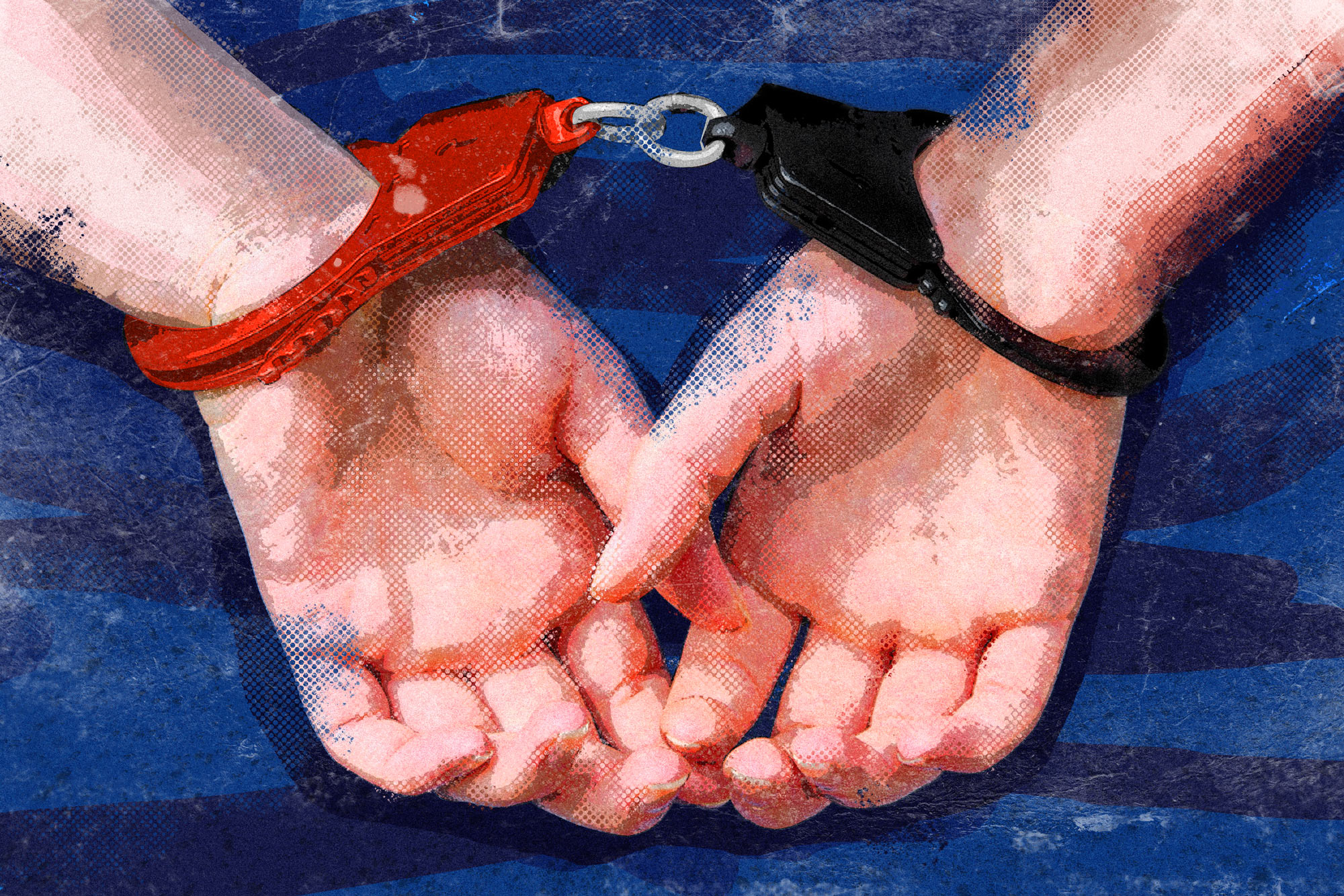
Poor or inadequate food is one of the «perverse methods» with which political prisoners are tortured, especially those in El Chipote prison, denounces Vilma Núñez, a veteran human rights defender and president of the Nicaraguan Center for Human Rights (Cenidh). This was one of the first non-governmental organizations to be violently closed and confiscated by the Ortega-Murillo regime in December 2018. Some political prisoners have told their relatives that they can even count the “15 grains of beans in the gallopinto (rices and beans mixed together) poorly cooked. They go to bed hungry”, warns Margin Pozo.
For the IACHR Rapporteur on Persons Deprived of Liberty, starvation is a “mechanism for generating pressure.” “It is harassment against those who unfortunately spoke out, protested, or demanded something from the current regime in Nicaragua,” reiterates Stuardo Ralón.
“How would you feel if you can’t even be guaranteed three meals a day? And when they do give you food, it is inadequate, poor quality, and and sometimes even rotten,” denounces Bertha Valle, wife of political prisoner Félix Maradiaga.
An analysis of data conducted by DIVERGENTES and Huellas de Impunidad reflects the approximate weight loss experienced by at least 22 political prisoners at some point between the period of May 2021 and July 2022. The data analyzed is based on interviews with relatives of political prisoners and statements made by them to various media outlets throughout that period.
The political prisoners who have lost the most weight over the course of more than a year in prison are: lawyer José Pallais (90 pounds), political commentator Jaime Arellano (80 pounds) and community leader Medardo Mairena (74 pounds). All of them stout men. Others, such as Walter Gómez, financial officer of the extinct Violeta Barrios de Chamorro Foundation (FVBCh), former presidential candidate Félix Maradiaga, political scientist José Antonio Peraza and community leader Pedro Mena have lost at least 60 pounds.
Although the physical conditions suffered by political prisoners and their dramatic weight loss were known from descriptions given by their relatives, they became visible with the publication of the composite drawing of Félix Maradiaga. The approximate weight loss was estimated at 60 pounds, according to his wife, Bertha Valle.
Maradiaga’s composite drawing had such an impact that the Ortega-Murillo regime was forced to show him in public. Unexpectedly, a pro-government media outlet—only government media have access to political prisoners’ hearings—recorded the opposition leader as he was being transferred to court to be notified of his sentence. His image, visibly emaciated, flooded social media. That day, Maradiaga was sentenced to 13 years in prison for the crime of “conspiracy to undermine national integrity.” It was a counter-information operation that the regime hastily put together to counteract the national and international impact caused by the sketch. “An attempt to put a happy face on what political prisoners are going through,” according to Maradiaga’s defense attorney.
As a result of this incident, in early July 2022, according to testimonies from relatives of political prisoners, the Ortega-Murillo prison regime reportedly improved their diet and some political prisoners have regained some of their weight in El Chipote. “As of July 5, lunch is normal. If it is meat, it is a good piece; and if it is shredded, the same; if it is pork, two pieces; and if it’s chicken, two pieces,” says the relative of an inmate who asked us to remain anonymous for fear of reprisals.
According to this relative, some political prisoners say they eat eagerly. “It has affected their stomachs a lot. It is not known if it is because of the oil or whatever the hell they are putting in it, but it has caused some prisoners to experience increased gastric reflux,” he says.
However, during the tenth visit to political prisoners in 14 months, family members reported that the prison regime has once again drastically reduced food portions as a form of torture. “The food has never improved. Medardo continues to lose weight. He had lost 68 pounds and now says he has lost 74,” says Alfredo Mairena, brother of the community leader.
Retribution and lies as national policy
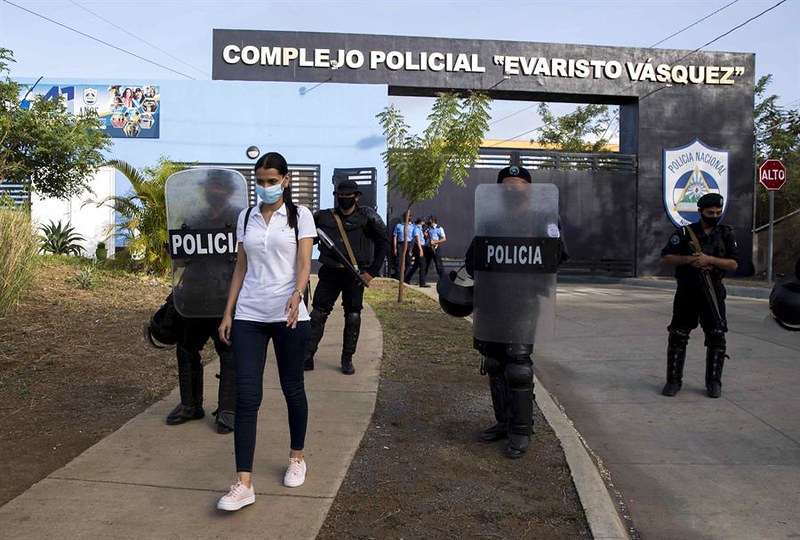
From the 18th of April up until September 2018, thousands of Nicaraguans took to the streets to demand the reversal of a controversial social security reform. The Ortega-Murillo regime responded with bullets and violently cracked down on thousands of protesters. As a result, the protests became even more massive, demanding “justice” and “truth” for the 350 people killed.
Since September 2018, Nicaragua is living under a de facto Police State. At that time, the regime categorically banned any demonstrations by opponents in public places. According to analysts consulted, since then, The regime established “retribution and lies as national state policy”.
«There is a vendetta policy, and not just against the most prominent figures. They are carrying out acts of retaliation against a group of citizens who demonstrated in the streets in massive numbers, because this represents a major threat to a regime previously accustomed to maintaining a tight control over any form of citizen demonstration, according to María Teresa Blandón, a sociologist, feminist activist, and director of La Corriente, an NGO among over a thousand others which have been shut down by the Ortega-Murillo administration this year.
“Without a doubt, the facts prove it. Retaliation, just like lies and corruption, form part of the dictatorship’s official policies,” insists former congressman, politician, economist, and historian Enrique Sáenz, now in exile.
The only possible explanation Sáenz has found is that, during his 15 consecutive years in power, Daniel Ortega has adopted a “messianic sense” of his role in Nicaraguan history. According to Sáenz, Ortega feels an “historical and providence-given mandate to exercise power”.
Ortega’s “messianic sense” may be the root of his desire for revenge, according to the analyst, because anyone who has challenged his power may be“ignoring its almost divine nature.” Therefore, he showed no mercy to anyone, Saénz emphasized.
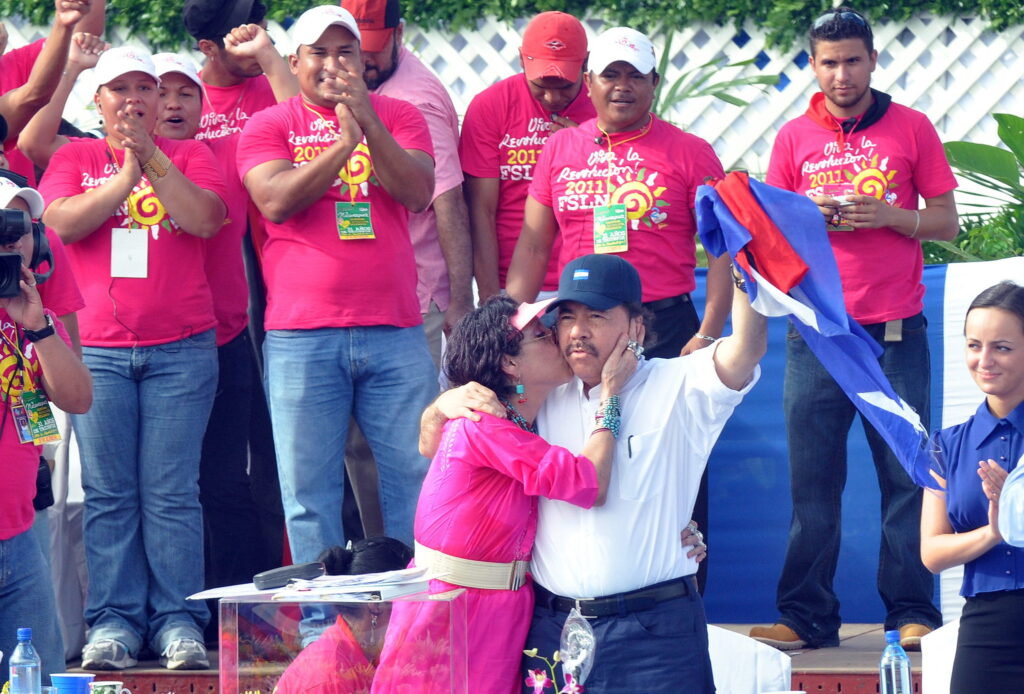
Sáenz asks, “Why has the government locked up two drivers from La Prensa newspaper—drivers who, along with two reporters, covered the expulsion of Mother Teresa of Calcutta’s missionaries—and employees of the Violeta Foundation (Barrios de Chamorro)? The answer is simple: it’s an act of vengeance against them and everyone else.”
According to the Inter-American Commission on Human Rights special rapporteur, this is an attempt to teach them a hard lesson, a pattern that has been observed in Cuba, Venezuela, and Nicaragua. “In the case of Nicaragua, there is a pattern of locking up social movement leaders, isolating them, and keeping them in total solitary confinement, a warning to others not to dare to speak out, as well as a penalty for anyone who dared to do so,” concludes Stuardo Ralón.
Despite the fact that political prisoners have been killed since the crackdown began in 2018, for sociologist María Teresa Blandón, the regime does not “want to kill” political prisoners, but rather “to inflict maximum suffering” on them, their families, and on all those who are committed to the release of political prisoners and the freedom of Nicaragua.
”If you listen to the statements made not only by Daniel(Ortega) and Rosario(Murillo), but by other members of the regime, it is clear that they believe those of us who stand up and protest against the regime deserve nothing, have no rights, no recognition, we do not deserve to be Nicaraguans. For this reason, the government is forcing citizens to leave and not allowing them to return to Nicaragua,” Blandón asserts.
Prison, death, or exile as the lesser of evils is exactly what the regime believes all opponents deserve, argues Blandón, also forced into exile and “banishment.”
In early July 2022, one week before the regime’s illegal seizure of the NGO La Corriente’s facilities, Blandón was barred from entering Nicaragua. “When I arrived at the airport terminal, an official from Avianca notified me, on orders from the Nicaraguan government, I could not board the flight,” recalls the feminist. So clearly, it is part of a policy of revenge,» insists Blandón.
Prisoners from the Democratic Renewal Union (UNAMOS), formerly the Sandinista Renovation Movement (MRS) political party, have paid the highest price for this policy of revenge carried out by the Ortega-Murillo regime, using all state institutions and resources. Relatives of political prisoners have condemned the extreme solitary confinement applied specially to the women: Tamara Dávila, Dora María Téllez, Ana Margarita Vijil, and Suyen Barahona.
“I believe that the cruelty with which they have been treated has to do with the desire to exterminate a political force, such as the MRS, now UNAMOS, because as long as they continue to exist, the dispute over who were the legitimate protagonists of the overthrow of the Somoza dictatorship and the Sandinista revolution will continue,” assures Blandón.
Ortega takes revenge on his liberator
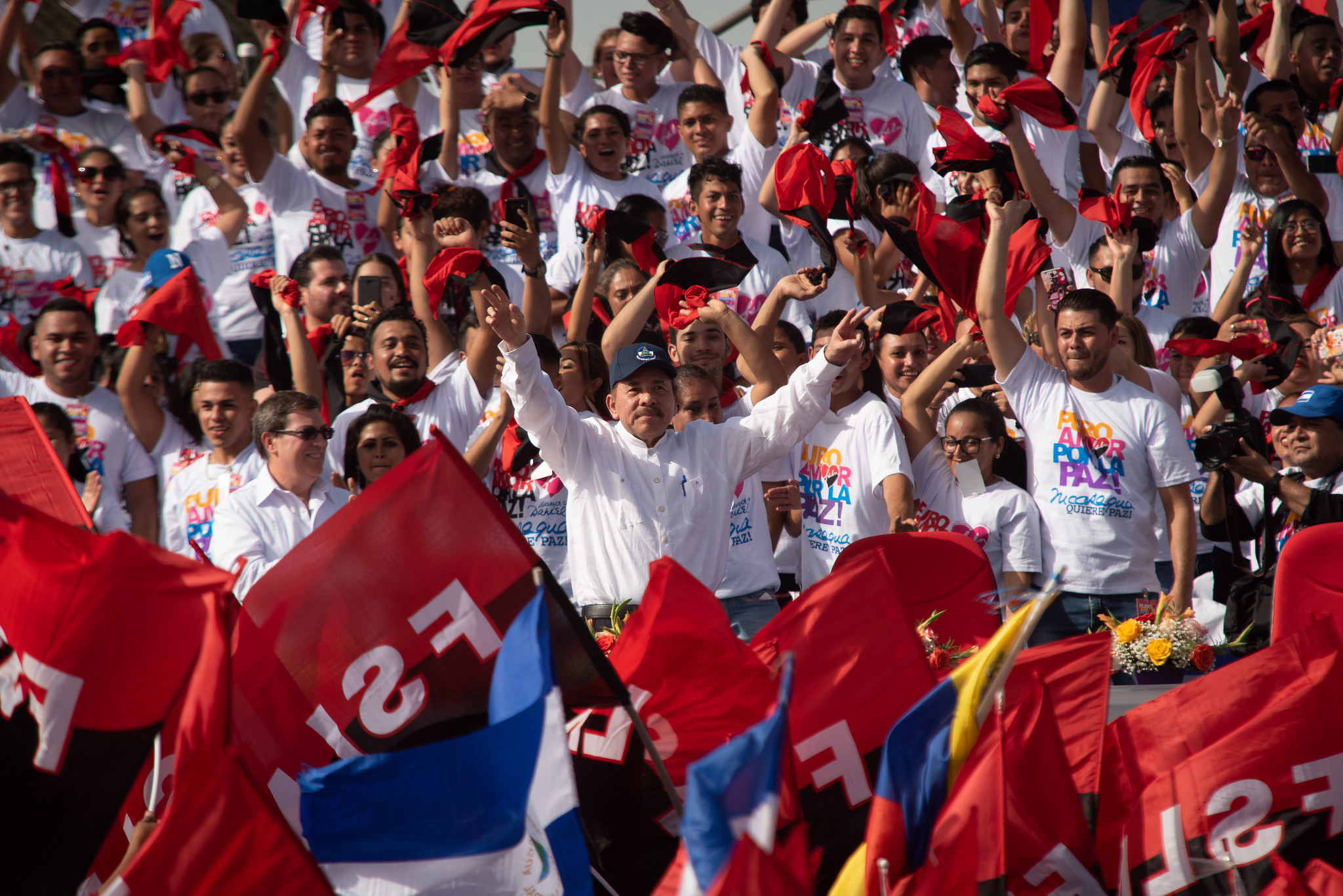
According to Sáenz, the most “disturbing” case is the death of General Hugo Torres, former guerrilla fighter and founding member of the Sandinista Army during the 1980s. Torres went into retirement in the late 1990s and broke away from the Sandinista party led by Daniel Ortega. Several years later, the now-retired general joined dissidents from the FSLN who were fierce critics of Ortega via the MRS, a party that changed its name to Unión Democrática Renovadora (Renewal Democratic Union), removing the word “Sandinista” in early 2021. Torres died under police custody in February 2022, when he was still vice president of UNAMOS.
“Ortega knows very well that neither Víctor Hugo, nor Hugo, nor Dora María were part of violent conspiracies. Here we probably have one of the clearest examples of an act of retaliation, an act of cruelty, that even led to the death of Hugo Torres, a man who risked his life to set Ortega free,” noted Sáenz, a previous member of the original MRS.
Saénz believes that the Ortega-Murillo regime is seeking to “break the morale” of political prisoners, both physically and “mentally.” «And we still haven’t recognized the resistance (of political prisoners), because if Ortega had managed to break the morale of 10 or 15 (political prisoners), he would have put them on display, forcing them to say against their will, to their families or to themselves, that ‘they were wrong,’ that ‘the future here lies in harmony,’ that ‘they are grateful of Ortega’s generosity,’” Sáenz warned.
From political prisoner to torturing jailer
The more than 180 political prisoners in the Ortega regime’s prison system are denied the right to read books or even exchange letters with family members. However, in his time as a prisoner in Somoza’s prisons, Ortega wrote poems and exchanged letters with the person with whom he now shares 50% of absolute power in Nicaragua: Rosario Murillo.
The Somoza tyranny accused Ortega of “attempting to overthrow the Nicaraguan state” in 1967. Ortega was assigned the number 198 and spent seven years in prison.
“Daniel Ortega was a figure who never left prison. He walked out of prison, but prison stayed with him in the way he behaved, and in the way he exercised power,” says Fabián Medina, author of the book El Preso 198 (Prisoner 198), a journalist’s profile of the Sandinista dictator, published in September 2018, at a time of intense social and political crisis.
Five decades later, Ortega has created ad hoc laws to justify charges against his opponents, using the same tactics that were once used against him. The current charges are “treason” and “conspiracy to undermine national integrity.” While the physical torture carried out in Somoza’s prisons was different in terms of beatings, there are similarities in the methods of “soft torture” that the regime now employs against more than 30 political prisoners in El Chipote, according to several experts.
According to Enrique Sáenz, the difference between Somoza’s prisoners, such as Ortega himself, and today’s prisoners is that “Ortega’s political prisoners are citizens who fought for freedom, just as they did during Somoza’s era, but by peaceful means and completely unarmed”.
How can you explain that Ortega, who was tortured in the past, is repeating the same story?
When it comes to torture methods, according to journalist Fabián Medina, “you’d expect someone who’s already been through all of that to have some scrupulousness about using them on others, but I also try to understand that, because of his own experience, he (Daniel Ortega) normalized repression as a consequence of a political position.”
Medina and other experts interviewed agree that Nicaragua is ruled by “irrationality” and the “unreasonableness of totalitarian power.” Nevertheless, in the opinion of some analysts, the abuses of power are being replicated with patterns of “authoritarianism, violence, and corruption,” a legacy inherited not only from the Somoza dictatorship, but also from the Sandinista decade, during which Ortega governed for almost eleven years.
«I believe that the Ortega-Murillo regime is replicating some of the tactics it tried in the 1980s: isolating them; setting up false trials… Somoza did that too; preventing them from having an effective defense; demonizing prisoners by presenting them as criminals. All of that narrative was present in the 1980s, and now we are seeing it again,» points out sociologist María Teresa Blandón.
However, the difference today is that there is an entire social human rights movement that has confronted the Ortega-Murillo regime. This movement exposes and denounces the systematic violation of human rights at local and international levels. Meanwhile, over 180 political prisoners are struggling to survive the “soft torture” and the deterioration of their physical condition in prison.
“My father whistles the national anthem every day, despite attempts to silence him, as he is now more convinced than ever that freedom of expression is a fundamental right,” said Renata Holmann, the daughter of political prisoner Juan Lorenzo Holmann. Despite the fact that his physical condition has deteriorated to the point of being unrecognizable, his daughter says he remains firm in his conviction and commitment to Nicaragua.